
Low Vision
Low vision, also called visual impairment is defined as loss of eyesight that cannot be corrected with glasses, medicine or surgery. For those who live with low vision, everyday tasks such as reading, shopping, recognising faces and even crossing the street can be difficult. Some signs to look out for:
- Slowness in responding or moving
- Confusion with environments with low contrast or low lighting
- Confusion with faces and identifying people
- Difficulty locating objects that are small or low contrast
- Difficulty paying attention
- Avoiding activities requiring good vision
- Making mistakes in tasks that have small details (i.e. taking wrong medicine)
- Fear of falling
Common Patterns of Vision Loss
Everyone experiences vision loss differently, even those who are share some conditions. Most Chronic diseases begin with no symptoms, then progress through various stages of blurriness, distortion, dim areas, and finally, blind spots in either or both eyes.
What is it like to experience visual impairment?
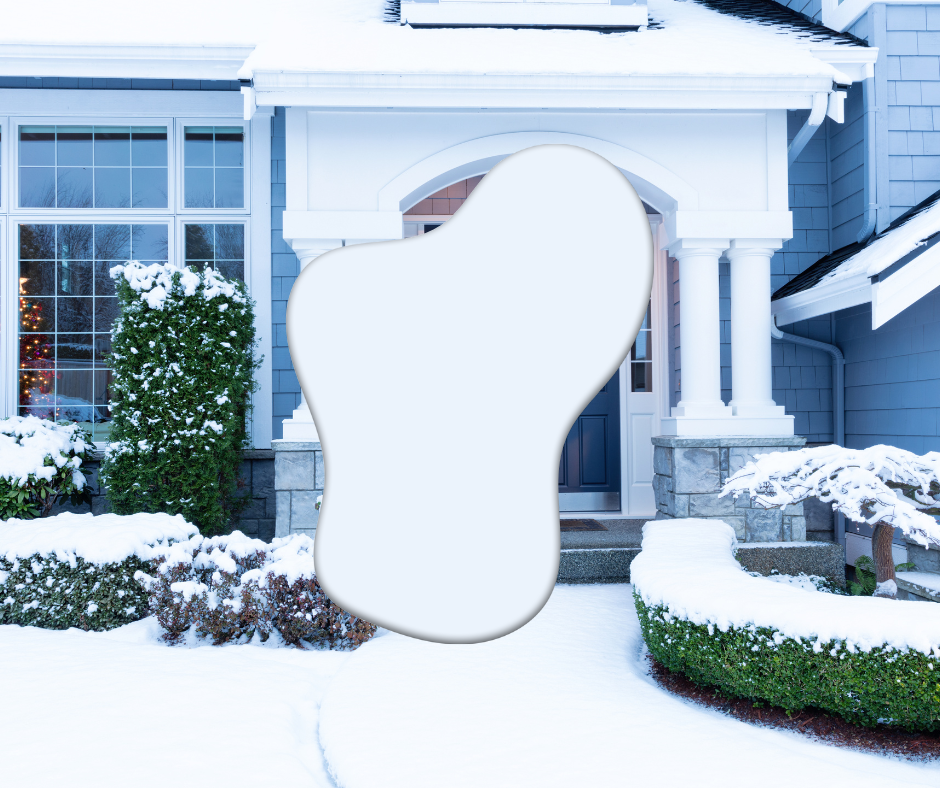 Age related macular degeneration (AMD) blurs the centre of vision, degrading detail of objects, print, and faces. Peripheral (side) vision remains intact and can be used effectively. It is most common in people age 60 and older, but there are juvenile forms.
 Diabetic retinopathy is caused by abnormal leakage and/or growth of blood vessels in the back of the eye (the retina). It may occur in anyone affected by diabetes, and it can affect both central and peripheral vision.
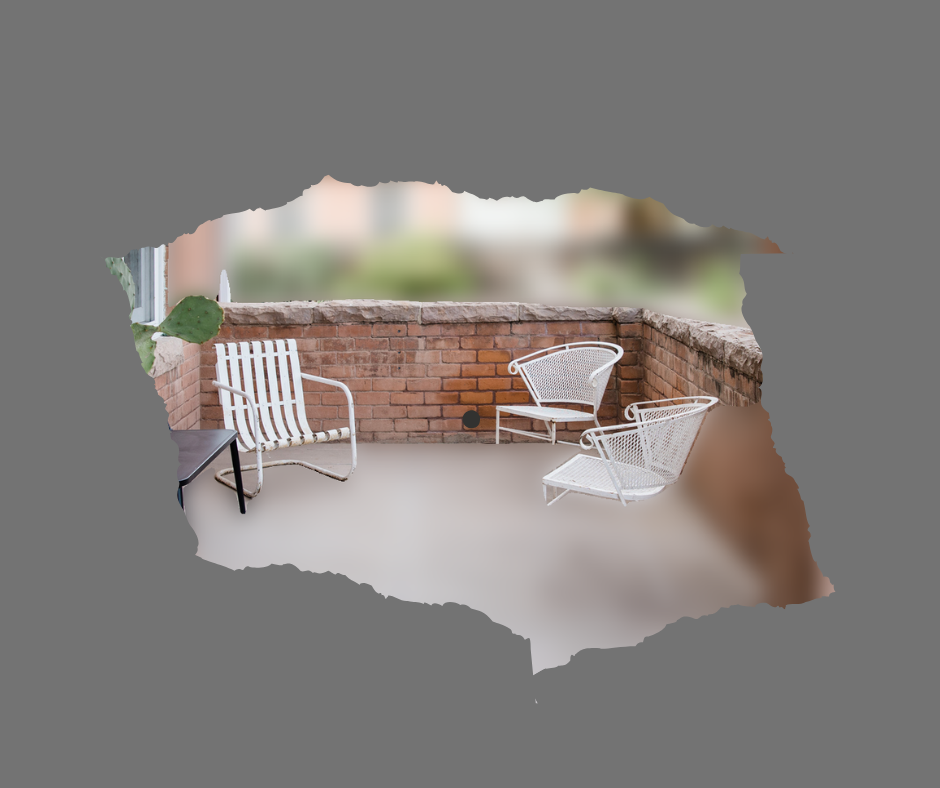 Glaucoma is a disease of the optic nerve, which carries the images we see to the brain. It is usually associated with elevated pressure in the eye. When damage to the optic nerve fibres occurs, blind spots develop that usually go undetected until significant damage is done.
Living with low vision
Whatever causes the low vision (visual impairment), the end result is the same. Living with low vision, can affects all aspects of your life, such as reading books, cooking, hazards in the house such as rugs and driving. You will need to use visual and non-visual cues, depending on the amount of eyesight remains. Some individuals may notice a change in their desire to socialise with others. Patience is important, as it takes longer to accomplish tasks. For some low vision, can lead to feelings of depression, anxiety, and loss of independence. If you are experiencing any of these symptoms, speak to your doctor.